Tower of London: History & Heritage
For nearly 1,000 years, the Tower of London has stood as a symbol of royal power, intrigue, and British history. This UNESCO World Heritage Site has served as a royal palace, a secure fortress, an infamous prison, a royal mint, an armory, and home to the Crown Jewels.
From William the Conqueror's Norman conquest to modern-day ceremonies, the Tower's walls have witnessed some of history's most dramatic moments—royal executions, daring escapes, and legendary tales that continue to captivate millions of visitors each year.
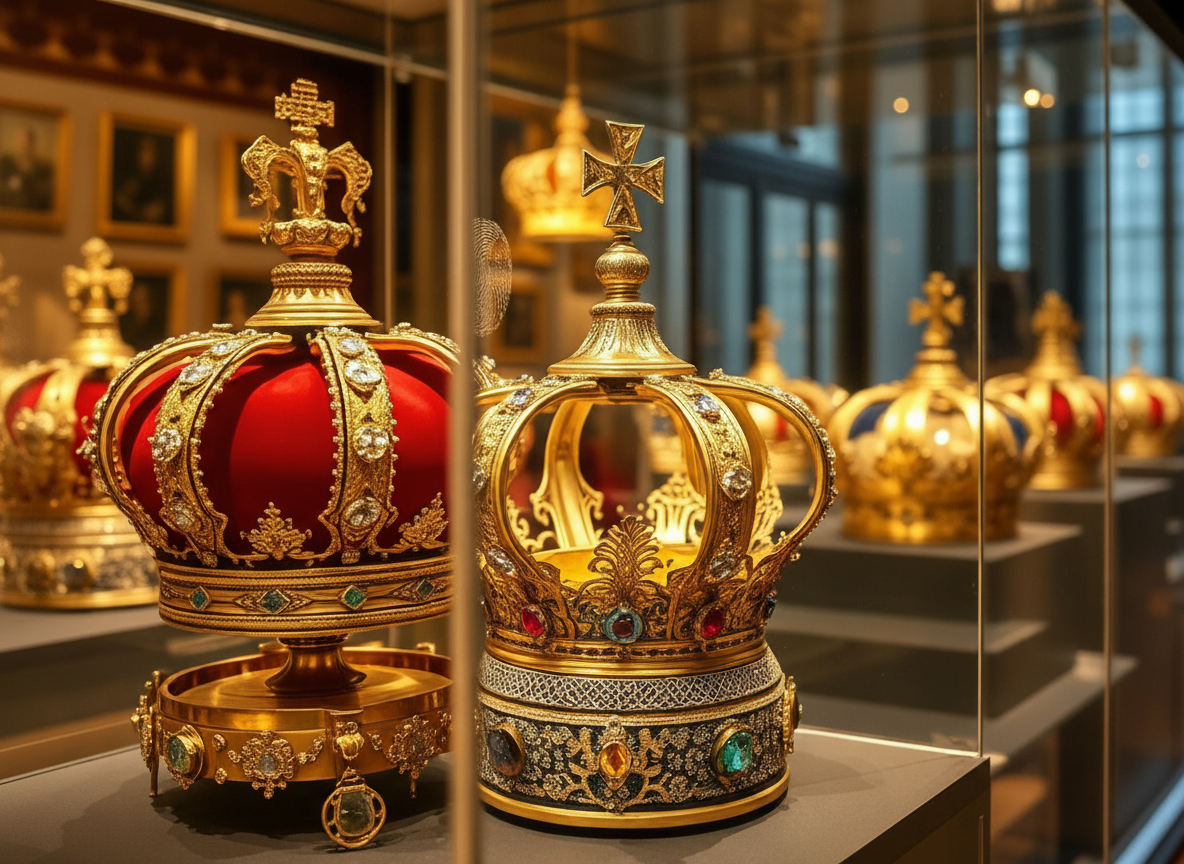
The Crown Jewels
The Tower houses the spectacular Crown Jewels, the official coronation regalia of British monarchs since 1661. The collection includes St Edward's Crown (used for coronations since 1661), the Imperial State Crown featuring over 3,000 precious gems including the Second Star of Africa diamond, and the Sovereign's Sceptre containing the legendary 530-carat Cullinan I diamond—the largest clear-cut diamond in the world. Colonel Thomas Blood's audacious 1671 theft attempt and the jewels' secret removal during WWII add intrigue to their story.
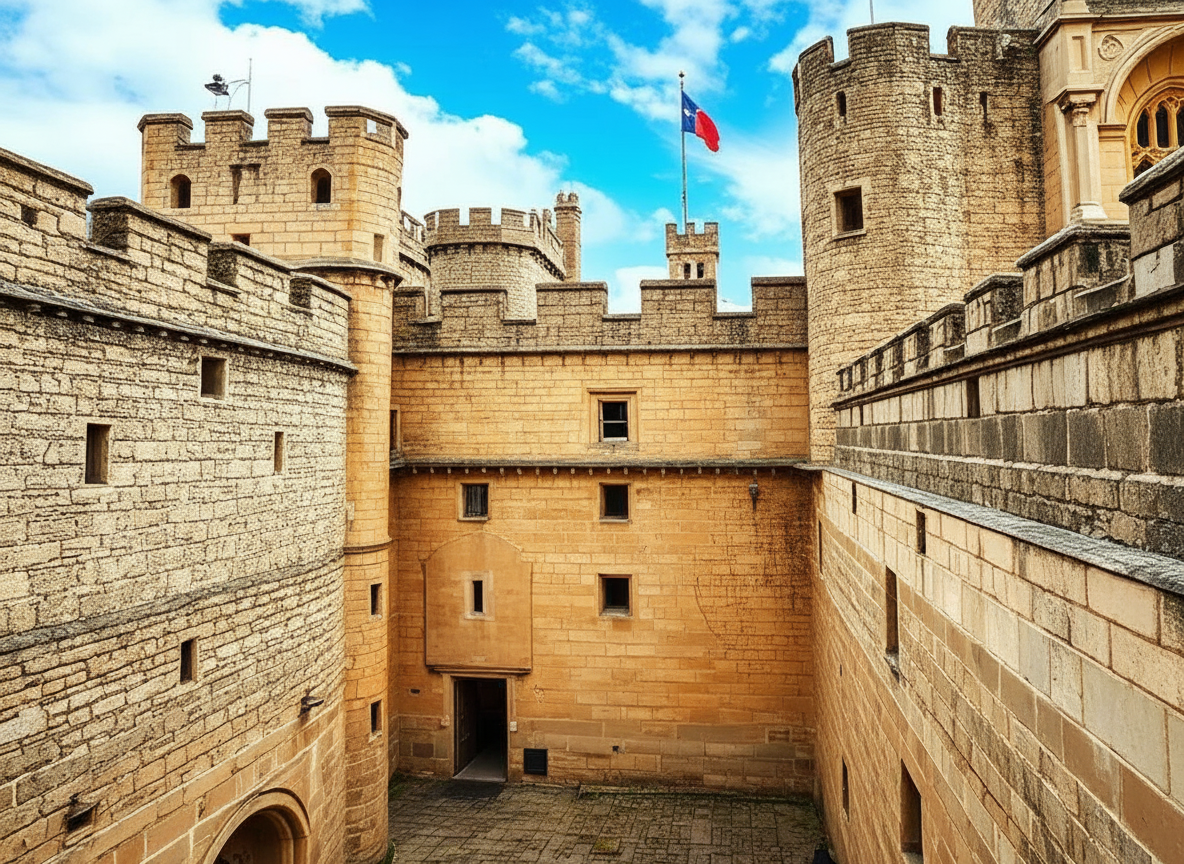
The White Tower
Built by William the Conqueror in 1078, the White Tower is the central keep and the Tower of London's iconic heart. This formidable Norman fortress served as a royal residence, treasury, and prison. Today it houses the Royal Armouries collection, including Henry VIII's armor, and stands as one of the finest examples of Norman military architecture in Europe.
Famous Prisoners of the Tower
Throughout its history as a royal prison, the Tower held some of England's most infamous captives—from queens and nobles to revolutionaries and spies. Their stories reveal the darker side of power and intrigue.
Anne Boleyn
1536
Henry VIII's second wife, executed on charges of adultery and treason. Her ghost is said to haunt the Tower Chapel.
Sir Walter Raleigh
1603-1616
Explorer and writer imprisoned for 13 years on treason charges. He wrote 'The History of the World' during his confinement.
Guy Fawkes
1605
Captured after the failed Gunpowder Plot to blow up Parliament. Tortured in the Tower before execution.
Rudolf Hess
1941
Hitler's deputy, held briefly as the Tower's last prisoner after his mysterious flight to Scotland during WWII.
The Princes in the Tower
1483
Edward V and his brother mysteriously disappeared from the Tower. Their fate remains one of history's greatest unsolved mysteries.
Mysteries & The Occult: Hugh Draper
Not all prisoners in the Tower were royals or political traitors. In 1560, a wealthy Bristol innkeeper named Hugh Draper was thrown into the upper chamber of the Salt Tower on accusations of sorcery and casting spells against members of Queen Elizabeth I's court.
The Astrological Clock: While protesting his innocence (claiming he had burned all his magical books), Draper left behind one of the Tower's most remarkable pieces of prisoner graffiti. On May 30, 1561, he carved an incredibly intricate astrological and zodiac sphere into the stone wall of his cell, complete with the inscription: "Hew Draper of Brystow made this spheere..."
The Final Mystery: Shortly after completing his elaborate carving, Hugh Draper vanished from all historical records. There is no documentation of his execution, death, or release. While historians believe a lenient Tower Lieutenant quietly allowed him to escape, some playfully suggest his magic finally worked, allowing him to vanish into thin air.
Yeoman Warders (Beefeaters)
The Yeoman Warders, affectionately known as "Beefeaters," are the ceremonial guardians of the Tower of London. These iconic figures in their distinctive Tudor uniforms have guarded the Tower since 1485.
Traditions & Duties: All Yeoman Warders are retired military personnel with at least 22 years of distinguished service. They conduct the famous Tower tours, participate in the ancient Ceremony of the Keys (the nightly locking ritual performed for over 700 years), and care for the Tower's legendary ravens.
Fun Facts: The nickname "Beefeater" may come from their historical payment in beef rations. There are approximately 37 Yeoman Warders today, and they live within the Tower walls with their families. The first female Beefeater was appointed in 2007.
The Legend of the Ravens
The Prophecy: Ancient legend warns that "if the ravens ever leave the Tower of London, the Crown will fall and Britain with it." This superstition has been taken seriously for centuries.
The Ravens Today: At least six ravens are kept at the Tower at all times, cared for by the Ravenmaster (a specially appointed Yeoman Warder). Each raven has a name and distinct personality—current residents include Jubilee, Harris, Gripp, and others. Their wings are carefully trimmed to prevent them from flying too far, ensuring the prophecy is never tested.
Historical Note: During WWII, only one raven survived the bombing raids. The Tower was considered vulnerable during this time, making the legend feel eerily prophetic. Today's ravens are pampered and their diet includes fresh meat, biscuits soaked in blood, and the occasional egg.
Major Events Timeline
Key moments that shaped the Tower's remarkable 1,000-year history
The Norman Conquest
William the Conqueror began construction of the White Tower after the Battle of Hastings.
The White Tower Completed
The iconic central keep was finished, becoming one of London's most formidable fortresses.
Expansion Under Henry III
The fortress was enlarged with additional towers and a moat, creating the fortress we recognize today.
Prison & Execution Site
The Tower became infamous as a prison for high-profile prisoners, including two of Henry VIII's wives.
Home of the Crown Jewels
The coronation regalia and Crown Jewels were moved to the Tower for safekeeping.
UNESCO World Heritage Site
The Tower welcomes millions of visitors annually as one of Britain's most iconic landmarks.
Preserving Heritage for Future Generations
Today, the Tower of London stands as one of the world's most visited historic sites, welcoming over 3 million visitors annually. As a UNESCO World Heritage Site, it represents an outstanding example of Norman military architecture and continues to serve as the home of the Crown Jewels.
Living History: The Tower remains a working royal palace and fortress. Expert guides (including the Yeoman Warders) bring centuries of history to life through engaging tours. The ancient Ceremony of the Keys continues nightly, and special events mark royal occasions and historical anniversaries.
Conservation & Research: Historic Royal Palaces carefully maintains the Tower's buildings, artifacts, and collections. Ongoing archaeological work continues to reveal new secrets about life at the fortress through the ages.
Experience this living monument to British history firsthand—where every stone has a story to tell.
More Fascinating Facts
Ceremony of the Keys: The Tower has been locked every night for over 700 years in this ancient ritual, which has only been delayed once—during a WWII bombing raid. Read our Ceremony of the Keys guide for times, tickets and how to attend.
Royal Ghosts: Anne Boleyn's spirit reportedly walks the Tower Green. The ghost of the Princes in the Tower has been spotted in the Bloody Tower.
Royal Menagerie: For 600 years, the Tower housed exotic animals including lions, elephants, polar bears, and even a grizzly bear that fished in the Thames.
Royal Armories: The Tower holds the world's oldest visitor attraction—the Line of Kings, a display of royal armor first opened to the public in the 1660s.